

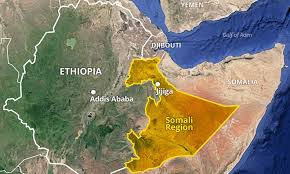
JIGJIGA/MOYALE – A devastating surge in inter-communal violence along the disputed border between Ethiopia’s Oromia and Somali regions has uprooted more than 288,000 people since July 2025, according to the latest humanitarian assessments. The crisis, which shattered a relative calm that had held since 2018, has left Somali pastoralist communities in the Dawa and Liban Zones struggling for survival in some of the most remote and inhospitable terrain in the Horn of Africa.
As of February 2026, the humanitarian situation remains critical. Displaced families are largely sheltering in 81 spontaneous informal sites, with the majority (64 sites) located within the Somali Region. These settlements often consist of little more than plastic sheets, sticks, and women’s clothing, offering virtually no protection against the harsh sun or seasonal rains.
A Map of Displacement: The Most Affected Zones
The violence has concentrated in specific “border-hotspot” districts (woredas), where territorial disputes dating back to a 2004 referendum have been reignited by competition over scarce water and grazing land.
| Region | Zonal Focus | Key Affected Districts (Woredas) | Estimated Displacement |
| Somali Region | Dawa Zone | Moyale, Hudet | 102,600+ |
| Somali Region | Liban Zone | Dekasuftu, Karsadula | 33,500+ |
| Oromia Region | East Borena | Arero, Dhas, Gumieldalo, Wachile | 151,900+ |
| TOTAL | — | — | 288,000+ |
The “Double Burden”: Conflict Meets Drought
For the Somali pastoralists of the Dawa and Liban zones, this violence is a “compounding disaster.” These communities were already reeling from the 2020–2023 protracted drought, which decimated up to 80% of livestock in some areas.
Now, families who were just beginning to rebuild their herds have seen their remaining assets—cattle, goats, and camels—looted or scattered.
- Livestock Loss: In the East Borena-Dawa corridor alone, authorities report the looting of more than 5,700 livestock in a single wave of attacks.
- Food Insecurity: Most displaced households are now in IPC Phase 4 (Emergency) levels of food insecurity, facing high levels of acute malnutrition with no functional stabilization centers in the vicinity to provide life-saving treatment.
Communities Under Siege: Shelter and Education
The human cost extends beyond the loss of property. In many assessed locations, 100% of school-aged children are out of school. Educational infrastructure has either been burned to the ground or repurposed as emergency shelters for IDPs (Internally Displaced Persons).
“We fled at midnight with only what we were wearing,” says one mother currently sheltering in an informal camp near Hudet. “There is no clean water here, and the children are coughing. We have no tents—only the plastic sheets we saved from the last drought.”
Protection risks are at an all-time high. Humanitarian teams report a lack of privacy and lighting in spontaneous sites, significantly increasing the risk of gender-based violence (GBV) for women and girls.
The Security Response and Peace Prospects
While the Ethiopian National Defense Forces (ENDF) were deployed to the border districts in late 2025 to stabilize the situation, sporadic clashes continue. Community leaders in both the Oromia and Somali regions have expressed a desire for coexistence but emphasize that return is impossible without:
- Safety Guarantees: A permanent end to armed militia activity in the rural woredas.
- Resource Agreements: Clear, enforceable frameworks for sharing water wells and grazing land.
- Humanitarian Corridors: Urgent delivery of food, water, and sanitation (WASH) kits to “hard-to-reach” forest settlements.
Looking Ahead
The displacement crisis along the Oromia–Somali border is no longer just a local dispute; it is a major humanitarian emergency that threatens to destabilize the southern Horn of Africa. Without a sustained increase in international funding—which currently covers less than 20% of the required needs—and a political resolution to the territorial status of border districts like Moyale and Hudet, hundreds of thousands of Somali pastoralists face a future of permanent marginalization.